- Printed Journal
- Indexed Journal
- Refereed Journal
- Peer Reviewed Journal
Journal of Pharmacognosy and Phytochemistry
Vol. 15, Issue 1 (2026)
Phytochemical profiling and ethnomedicinal relevance of selected medicinal plants from Korba District, Chhattisgarh, India
Vivek Kumar Patel, Devendra Kumar Patel, Ranjeet Kumar, Ashish Patel, Laxmani Verma and Leelaparsad
The Korba district of Chhattisgarh, India, is rich in plant biodiversity and possesses a strong tradition of ethnomedicinal practices among indigenous communities. The present study aims to evaluate the phytochemical composition and ethnomedicinal relevance of selected medicinal plant species collected from this region. Plant materials were systematically collected, authenticated, shade-dried, and extracted using suitable solvents. Preliminary qualitative phytochemical screening was performed to detect the presence of major bioactive secondary metabolites, including alkaloids, flavonoids, phenolics, tannins, saponins, terpenoids, glycosides, and steroids, following standard protocols. Ethnomedicinal information regarding traditional usage, plant parts employed, and therapeutic applications was documented through literature surveys and interactions with local practitioners. The results revealed a diverse phytochemical profile across the selected plant species, with a predominance of phenolics, flavonoids, and alkaloids, which are known for their antioxidant, antimicrobial, and anti-inflammatory properties. The correlation between traditional knowledge and phytochemical constituents supports the therapeutic potential of these plants. This study provides a scientific basis for the traditional use of medicinal plants in the Korba district and highlights their potential for further pharmacological, toxicological, and drug development studies.
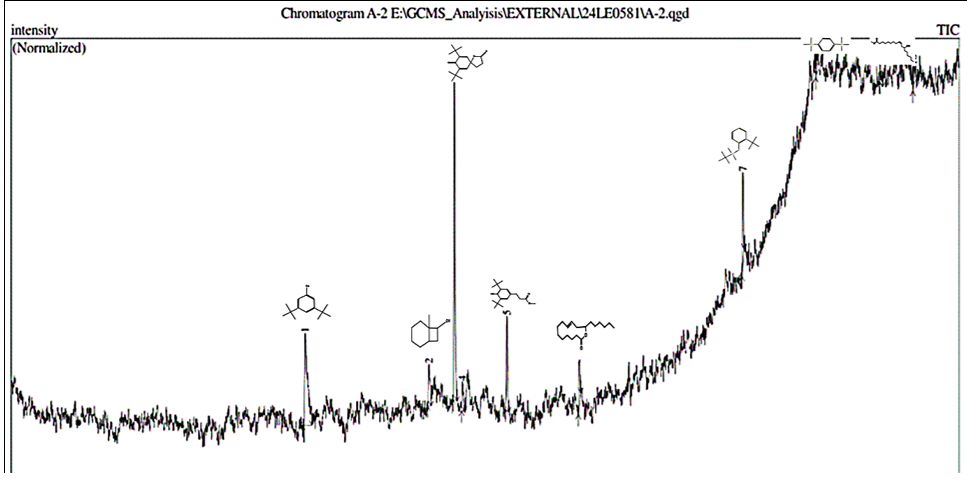
Fig. 1: Fig 1: Chromatogram of C. nanum
Pages: 33-41 | 80 Views 30 Downloads



E-ISSN: 2278-4136
- P-ISSN: 2349-8234
- CODEN Code: JPPOHO
- Abbr: J Pharmacogn Phytochem
India (Tel): +91-9711224068
- Toll Free (India): 1800-1234-070