- Printed Journal
- Indexed Journal
- Refereed Journal
- Peer Reviewed Journal
Journal of Pharmacognosy and Phytochemistry
Vol. 15, Issue 1 (2026)
Therapeutic potential of corn silk (Zea mays L.): A comprehensive review with emphasis on urolithiasis management
Dipmala D Ghorpade, Aditya Santosh Autade, Bhagyashri A Vibhute, Vaishnavi J Patil, Pooja N Bhavar and Gajanan Sanap
Corn silk, the stigmas and styles of Zea mays L., has been utilized in traditional medicine across various cultures for its diuretic, anti-inflammatory, and litholytic properties. This review synthesizes current evidence on its phytochemical profile and therapeutic applications, particularly in treating urolithiasis (kidney stones), a prevalent condition affecting millions globally. Phytochemical analysis reveals a rich composition of flavonoids (e.g., luteolin, apigenin), phenolic acids, polysaccharides, and sterols, which underpin its bioactivities. Pharmacological studies demonstrate a ntioxidant, anti-inflammatory, hypoglycemic, and antihypertensive effects, with emerging data highlighting its role in mitigating calcium oxalate (CaOx) crystal formation, reducing oxidative stress, and enhancing urinary excretion of stone-forming substances In vitro and in vivo models show corn silk extracts inhibit crystal adhesion to renal cells, modulate urine pH, and boost citrate/magnesium levels, thereby preventing stone nucleation and growth Clinical insights, though limited, support its adjunctive use in stone expulsion Safety profiles indicate low toxicity, positioning corn silk as a promising natural adjunct for urolithiasis and related renal disorders. Future randomized trials are warranted to validate efficacy and standardize formulations. This narrative review draws from over 25 peer-reviewed sources to underscore corn silk's multifaceted potential in pharmacy practice.
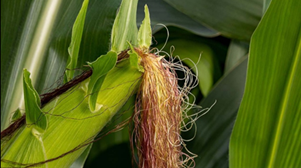
Fig. 1: Figure 1. Close-up view of maize (Zea mays L.) ear showing silk emergence and husk development
Pages: 202-205 | 100 Views 33 Downloads



E-ISSN: 2278-4136
- P-ISSN: 2349-8234
- CODEN Code: JPPOHO
- Abbr: J Pharmacogn Phytochem
India (Tel): +91-9711224068
- Toll Free (India): 1800-1234-070