- Printed Journal
- Indexed Journal
- Refereed Journal
- Peer Reviewed Journal
Journal of Pharmacognosy and Phytochemistry
Vol. 15, Issue 1 (2026)
Prebiotics in human health: The next frontier in nutrition and therapeutics
Arya S Salvi, Rushali G Pandey, Pallavi H Raut and Gauri S Vahalkar
Prebiotics are digestible or non-digestible food elements that promote health by encouraging the growth and function of beneficial bacteria in the gut. They improve immune function, enhance mineral absorption, and support digestive health by generating short-chain fatty acids (SCFAs). Prominent prebiotic fibres include inulin, fructo-oligosaccharides (FOS), galacto-oligosaccharides (GOS), and resistant starch, which support the proliferation of beneficial bacteria such as Lactobacillus and Bifidobacterium. Research indicates that prebiotics contribute to metabolic health by reducing glycemic response, cholesterol levels, and body weight. They are also involved in preventing and managing conditions like colorectal cancer, irritable bowel syndrome (IBS), obesity, type 2 diabetes, and neurological diseases associated with gut dysbiosis. The International Scientific Association for Probiotics and Prebiotics (ISAPP) has broadened the definition of prebiotics to encompass their health benefits beyond just gut health. New research is investigating alternative prebiotic sources, such as agro-industrial by-products and plant oligosaccharides, as more affordable options. The combination of prebiotics and probiotics further bolsters gut health and immune responses. Innovations in enzymatic modification and microencapsulation have enhanced the stability and efficacy of prebiotic products. With rising consumer interest in functional foods, the nutraceutical sector is refining prebiotic formulations for health advantages. Upcoming research aims to develop personalized nutrition approaches, target specific microbiota adjustments, and create regulatory frameworks to optimize the therapeutic benefits of prebiotics in preventing diseases and promoting overall health.
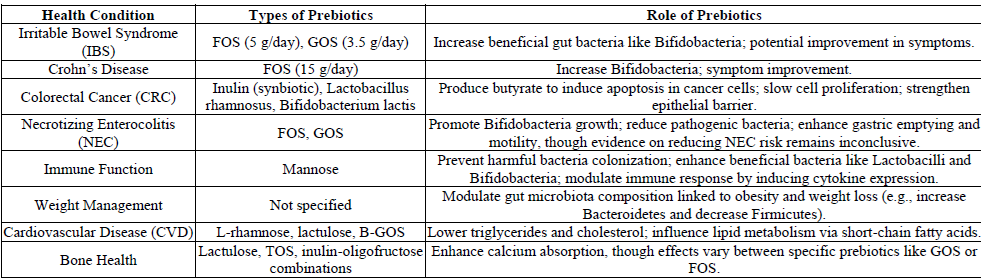
Fig. 1: Prebiotics and Their Role in Health Condition
Pages: 224-229 | 16 Views 6 Downloads





E-ISSN: 2278-4136
- P-ISSN: 2349-8234
- CODEN Code: JPPOHO
- Abbr: J Pharmacogn Phytochem
India (Tel): +91-9711224068
- Toll Free (India): 1800-1234-070