- Printed Journal
- Indexed Journal
- Refereed Journal
- Peer Reviewed Journal
Journal of Pharmacognosy and Phytochemistry
Vol. 15, Issue 1 (2026)
A comprehensive review of Pterospermum acerifolium (Muchkunda): Ayurvedic perspective and modern scientific evidence
Nikita Ramnath Gavhane, Pankaj P Surve and Aparna M Ghotankar
Pterospermum acerifolium (L.) Willd., commonly known as Kanak Champa or Muchkunda, is an important medicinal plant widely described in classical Ayurvedic literature and traditionally used in various parts of India. The plant belongs to the family Malvaceae and is valued for its flowers, bark, leaves, and roots, which possess significant therapeutic properties. In Ayurveda, Muchkunda is attributed with Tikta and Kashaya Rasa, Sheeta Virya, and Kapha-Pitta Shamaka action. It is indicated in conditions such as Daha, Trishna, Jwara, Raktapitta, Prameha, Kasa, and inflammatory disorders. Classical texts highlight its role as a Vedanasthapaka, Dahaprashamana, and Vranaropaka drug.
Modern pharmacological studies support these traditional claims and have demonstrated anti-inflammatory, analgesic, antioxidant, antidiabetic, antimicrobial, hepatoprotective, and cardioprotective activities of Pterospermum acerifolium. Phytochemical investigations reveal the presence of flavonoids, tannins, phenolic compounds, glycosides, and sterols, which contribute to its wide spectrum of biological actions. Experimental studies have also shown its potential in managing metabolic disorders and oxidative stress-related conditions.
This review article aims to compile and critically analyze the available Ayurvedic references and modern scientific evidence on Pterospermum acerifolium, emphasizing its pharmacognosy, phytochemistry, pharmacological activities, and therapeutic applications. The integrative understanding of classical and contemporary perspectives highlights the potential of Muchkunda as a promising medicinal plant for future clinical research and evidence-based Ayurvedic practice.
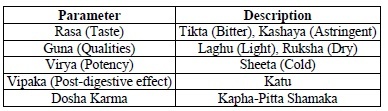
Fig. 1: A comprehensive review of Pterospermum acerifolium (Muchkunda): Ayurvedic perspective and modern scientific evidence
Pages: 245-249 | 14 Views 4 Downloads





E-ISSN: 2278-4136
- P-ISSN: 2349-8234
- CODEN Code: JPPOHO
- Abbr: J Pharmacogn Phytochem
India (Tel): +91-9711224068
- Toll Free (India): 1800-1234-070